How to Choose Powder Sintered Filter
How to Choose Powder Sintered Filter
Consider these critical factors for optimal selection:
* Filtration Requirement: Define the required filtration efficiency (micron rating) and the nature of the contaminant (particle size, shape, concentration).
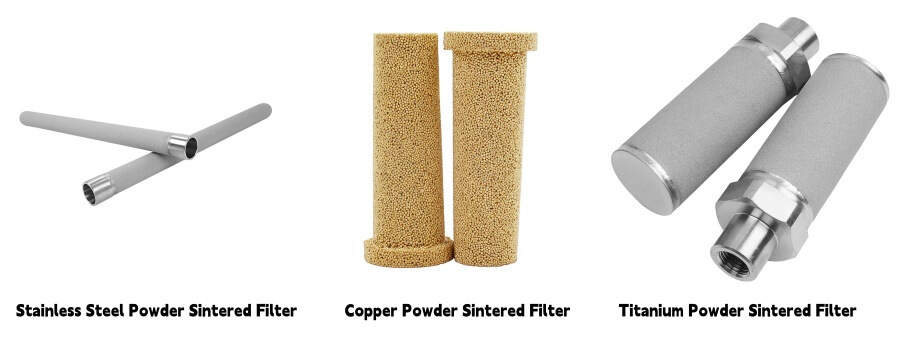
* Fluid Compatibility: The filter material must be chemically compatible with the process fluid (consider pH, corrosiveness). 316L stainless steel is a versatile choice for many chemicals.
* Operating Conditions: Account for operating pressure, temperature, and flow rate. These affect the required mechanical strength and material limits.
* Cleaning/Service Life: Decide if a cleanable, reusable element is needed or if a disposable one is preferable. Depth filters like these have high capacity but may be harder to clean completely than surface filters.
* Type & Connection: Ensure the dimensions and end connections are compatible with your existing filter housing or system design.

FAQ
Q1: What is the main difference between a powder sintered filter and a sintered wire mesh filter?
A1: The key difference is structure and filtration mechanism.
Powder sintered filters have irrandom, tortuous pores for depth filtration and higher dirt-holding capacity.
Sintered mesh filters have more regular, layered pores from woven wires, offering easier cleanability and often higher strength. Mesh is often preferred for high-viscosity fluids.
Q2: How do I know if I need 304 or 316L stainless steel?
A2: 304 stainless steel is suitable for most general applications (water, oils, mild chemicals). Choose 316L stainless steel when filtering fluids containing chlorides (e.g., seawater, salt solutions) or more aggressive acids, as its molybdenum content provides superior corrosion resistance.
Q3: What does a 'nominal' filtration rating mean?
A3: A nominal rating (e.g., 10μm) indicates the approximate size of particles the filter will partially remove (typically 90-98%). This differs from an "absolute" rating, which denotes the size of the largest particle that will pass through. Powder sintered filters are typically rated nominally due to their depth filtration nature.
Q4: Are these filters suitable for high-purity applications?
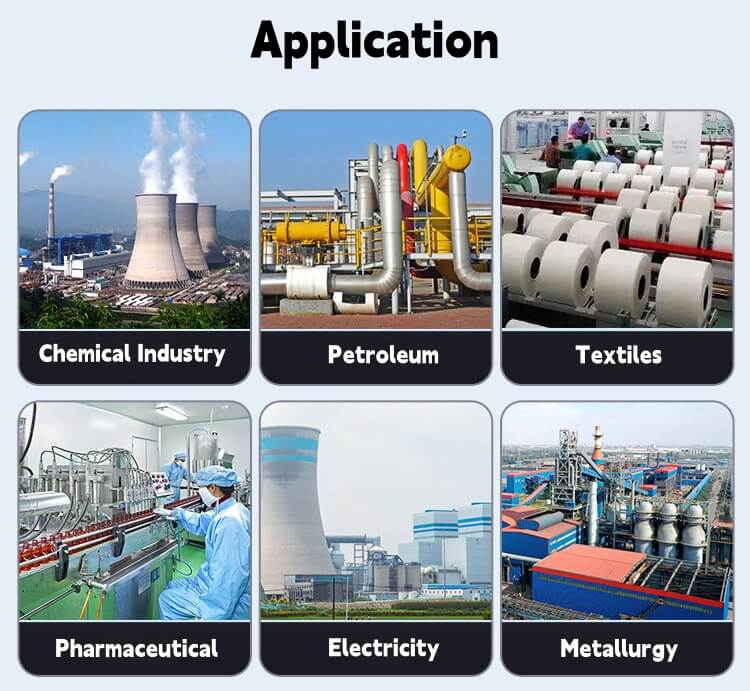
A4: Yes, especially when made from 316L or Titanium and with appropriate post-sintering treatments like electropolishing. This creates an ultra-smooth surface that minimizes particle shedding and eases cleaning, making them suitable for pharmaceutical, and semiconductor applications.

(1).jpg)


.jpg)


.jpg)
.jpg)
.jpg)
.jpg)