Q1: What is the difference between sintered powder and sintered mesh filter elements?
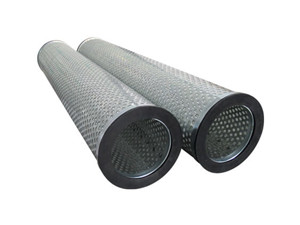
A: Sintered powder filters and sintered mesh filters are two distinct technologies. Sintered powder filters are manufactured from metal powder, offering finer filtration precision down to 0.2μm and depth filtration throughout the entire media thickness. Sintered mesh filters are manufactured from multi-layer woven wire mesh, typically offering filtration precision down to 1-5μm and surface filtration on the outer layers. The powder sintered structure has a larger effective filtration surface area with more unobstructed flow channels, while mesh filters are generally easier to clean.
Q2: What are the advantages of a flange connection over other connection types?
A: Flange connection offers several unique advantages:
- Superior sealing strength under high pressure—bolted connections prevent leakage better than threaded or O-ring seals
- High-temperature tolerance—no elastomeric seals to degrade
- Corrosion resistance—the all-metal interface withstands aggressive media
- Vibration resistance—bolted flanges remain secure under mechanical shock
- Hazardous media safety—ideal for pipelines handling flammable or toxic fluids
Flanged interfaces typically use standard flange sizes and mounting hole patterns, such as ANSI or DIN standards.
Q3: What flange standards are available?
A: We offer multiple flange configurations to match your pipeline specifications:
- ANSI/ASME: Class 150, 300, 600, 900, 1500
- DIN: PN6, PN10, PN16, PN25, PN40, PN64
- JIS: 5K, 10K, 20K, 30K
- Custom: Designed to your specific bolt pattern, facing, and dimension requirements
Major connections include universal interface for filter elements (215, 220, 222, 226, etc.), flanged joint, and other special interfaces that can be customized.
Q4: What materials are available for the sintered powder?
A: Standard materials include 304 and 316L stainless steel. For aggressive environments, we offer special alloys including Titanium, Inconel, Hastelloy, and Monel upon request. 316L contains molybdenum for enhanced pitting and crevice corrosion resistance, making it the preferred choice for chloride-rich environments.